Seed Starting Kits and Supplies – What You Actually Need
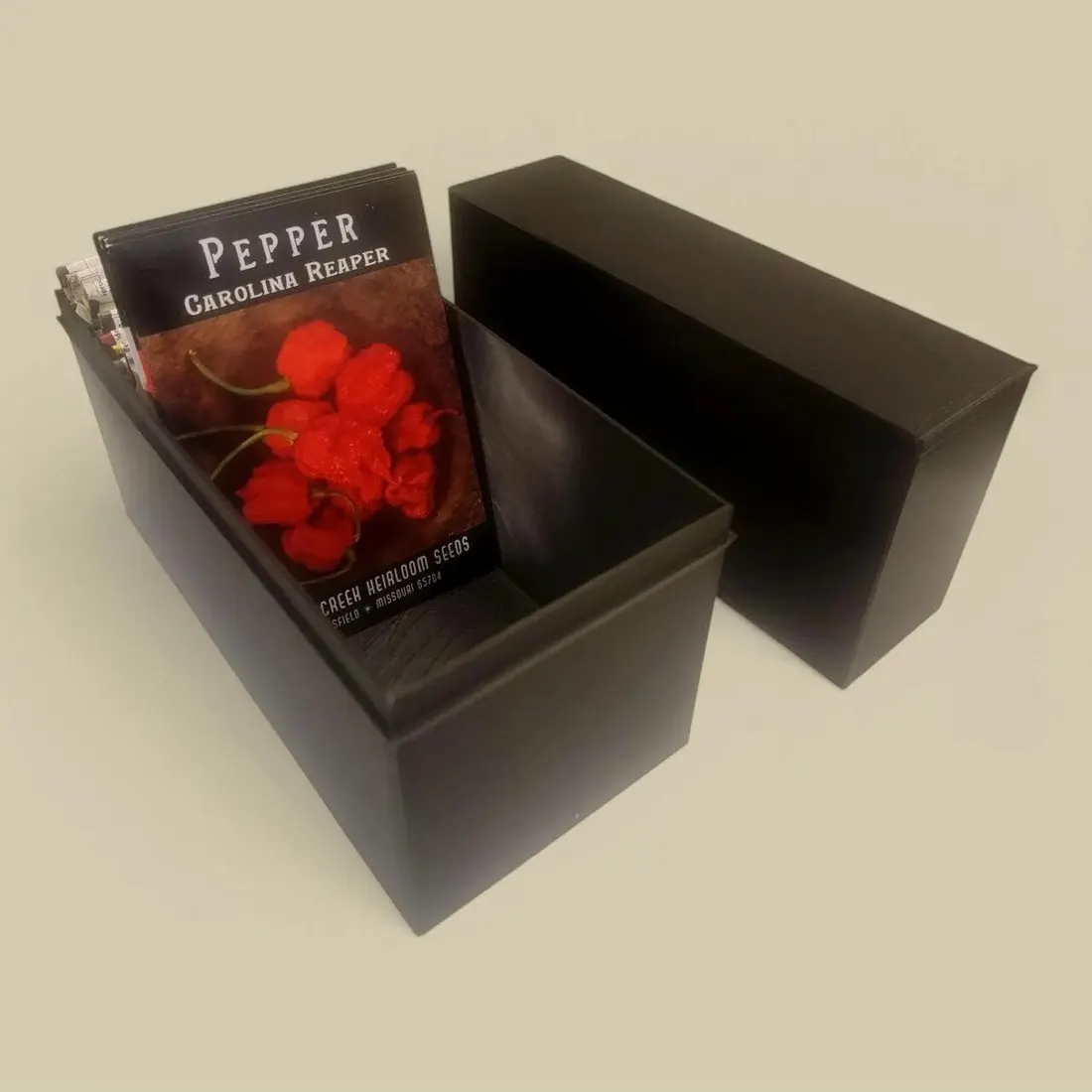
A boxed kit gets you a tray and a lid. The rest of the list is short, cheap and decides the outcome.
TL;DR
- Kit = tray + dome. Add mix, light, labels; heat mat only for warm-season crops.
- Judge a bundled light by stated wattage, not by the picture.
- Everything else is optional; drainage and light are not.
What a kit includes, and what it does not
The standard kit is a 10 by 20 inch tray with cells, a clear dome and a bottom tray. Sold at that level it is a container, not a system: it holds mix and humidity, and it drains if the base tray is used properly. What it does not include is the light — and light is the input that decides whether six weeks of growth produces a stocky plant or a pale stem leaning at the glass.
Kits that include coir pellets are convenient for germination and awkward after: a pellet holds little volume, so a tomato outgrows it in three weeks and needs potting on sooner than it would in a 72-cell tray. If you plan to keep seedlings indoors longer than a month, cells beat pellets.
The short list, in priority order
1. Seed starting mix. Light, sterile, free-draining. Not garden soil, not last year's potting compost. This is the one line item worth buying rather than improvising — the soil mix guide covers what is in it and a working home recipe.
2. A tray that drains. Holes in the base, and a bottom tray to catch what runs through. A tray without drainage is the fastest route to damping off.
3. Light. A cheap shop light or LED bar hung a few inches above the tray, on a timer for 14-16 hours. This is what prevents leggy seedlings, and it costs less than the kit.
4. Labels. Pencil on wood or plastic; marker fades.
5. Heat mat and dome. Optional, but the mat is what makes peppers and eggplant germinate in weeks rather than months. A thermostat is worth the extra few dollars — an uncontrolled mat cooks a tray left on.
What to skip
Heated propagators with built-in thermostats are a lot of money for a windowsill's worth of plants. Misting bottles are fine but a squeeze bottle or a jug is free. Soil test kits, rooting hormone and "seed starter" fertilizer are all things you may want later and do not need on day one — in fact feeding seedlings before they have true leaves does more harm than good, as the fertilizer guide explains.
Tools for this job
We may earn a commission from qualifying purchases made through the links below, at no extra cost to you. Marked as sponsored.
Seed starting kit with tray and dome
Cells, cover and base in one box — the shape most windowsills fit.
Plant labels and pencil
The cheapest item on the list and the one you will miss most.
Related guides
Frequently asked questions
What is in a typical seed starting kit?
Most kits are a plastic tray with cells, a clear humidity dome and a lid or base tray — sometimes with compressed coir pellets. That is a starter set, not a complete one: it usually leaves out light, a heat mat and labels, which are the three things that decide whether the seedlings survive past three weeks.
Do I need a seed starting kit at all?
No. A tray with drainage holes plus a clear cover does the same job, and a clear plastic punnet from the supermarket is a free version of the dome. Buy the kit if you want the cell sizes and fit to be consistent between seasons; skip it if you are starting twenty plants once.
What supplies matter most?
In order: seed starting mix, a tray that drains, a light close enough to matter, and a way to water without disturbing the surface. Heat mats and humidity domes help germination but are optional; light is not.
Is a heat mat worth buying?
For peppers, eggplant and anything slow and warm-season, yes — it is the difference between two weeks and five. For tomatoes and most annuals, room temperature is enough. Buy the smallest one that fits your tray and put a thermostat on it.
What about seed labels?
Buy or make them. Six weeks after sowing nobody remembers which cell was which, and a tray of unlabelled seedlings is a tray you cannot plan around. A permanent marker on a plastic strip fades in sun; a pencil on a wooden stick does not.
Should I buy a kit with a grow light included?
Watch the light, not the tray. Kits that bundle a small light often ship a low-output one that must sit two inches from the leaves to work. If the light has no stated wattage or lumens, it is decoration.